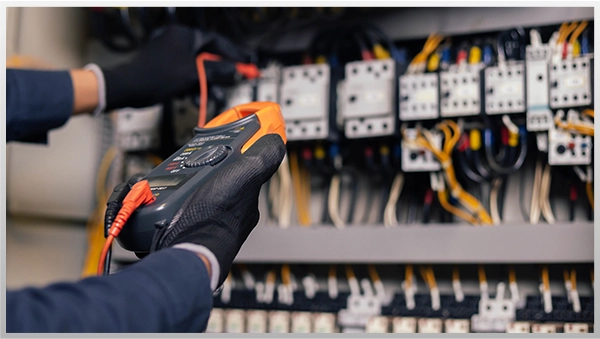
Electrical Troubleshooting
Tracking down the real cause of a breaker that trips, an outlet that died, or a light that flickers.
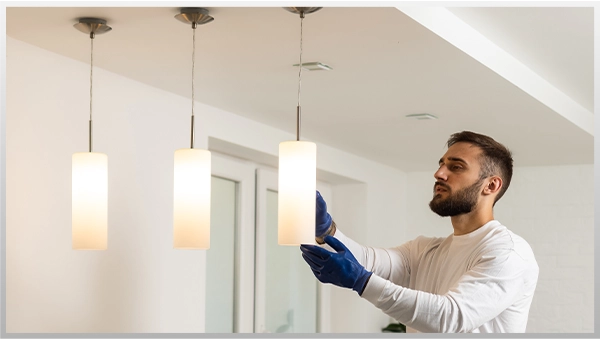
Lighting Installation & Repairs
Fixtures, recessed lighting, dimmers, and switches installed or repaired throughout the home.
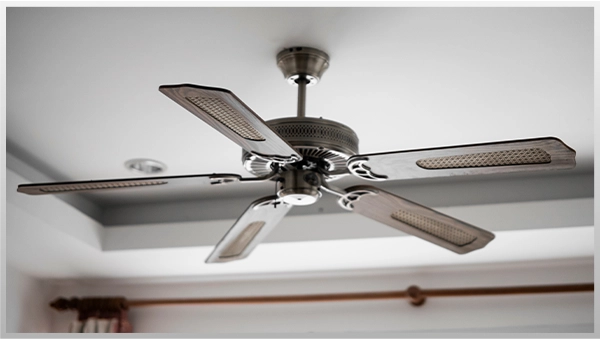
Ceiling Fan Installation
New fans hung and wired safely, including rooms that never had one.
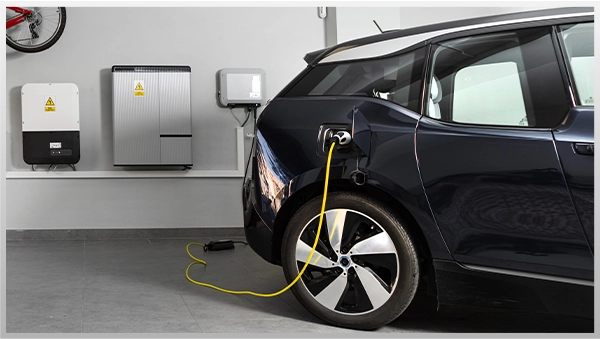
EV Charger Installation
A dedicated home charging circuit so you stop hunting for a public charger.
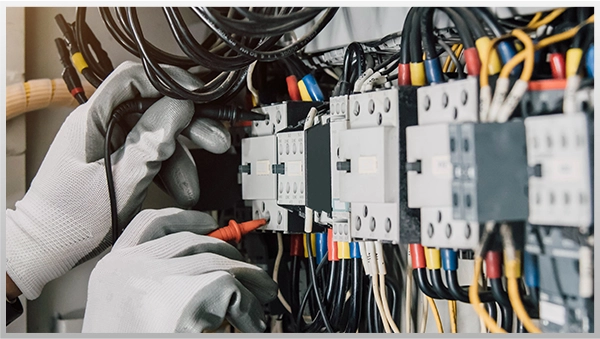
Electrical Panel & Service Upgrades
More capacity and a safer panel for a home asking more of its electrical system than it used to.
Electrical Troubleshooting
Tracking down the real cause of a breaker that trips, an outlet that died, or a light that flickers.
Lighting Installation & Repairs
Fixtures, recessed lighting, dimmers, and switches installed or repaired throughout the home.
Ceiling Fan Installation
New fans hung and wired safely, including rooms that never had one.
EV Charger Installation
A dedicated home charging circuit so you stop hunting for a public charger.
Electrical Panel & Service Upgrades
More capacity and a safer panel for a home asking more of its electrical system than it used to.

30+ Years of Experience
Three decades of residential electrical work, most of it in the kind of homes Brooklyn is built from.

Evening & Sunday Availability
We are working until 10:00 p.m. most days and open on Sundays, so you do not have to burn a vacation day.

Senior Discount Available
Ask about our senior discount when you call for your quote.